
This guide is part of our complete Lakewood Real Estate Guide → [Lakewood Real Estate Guide]
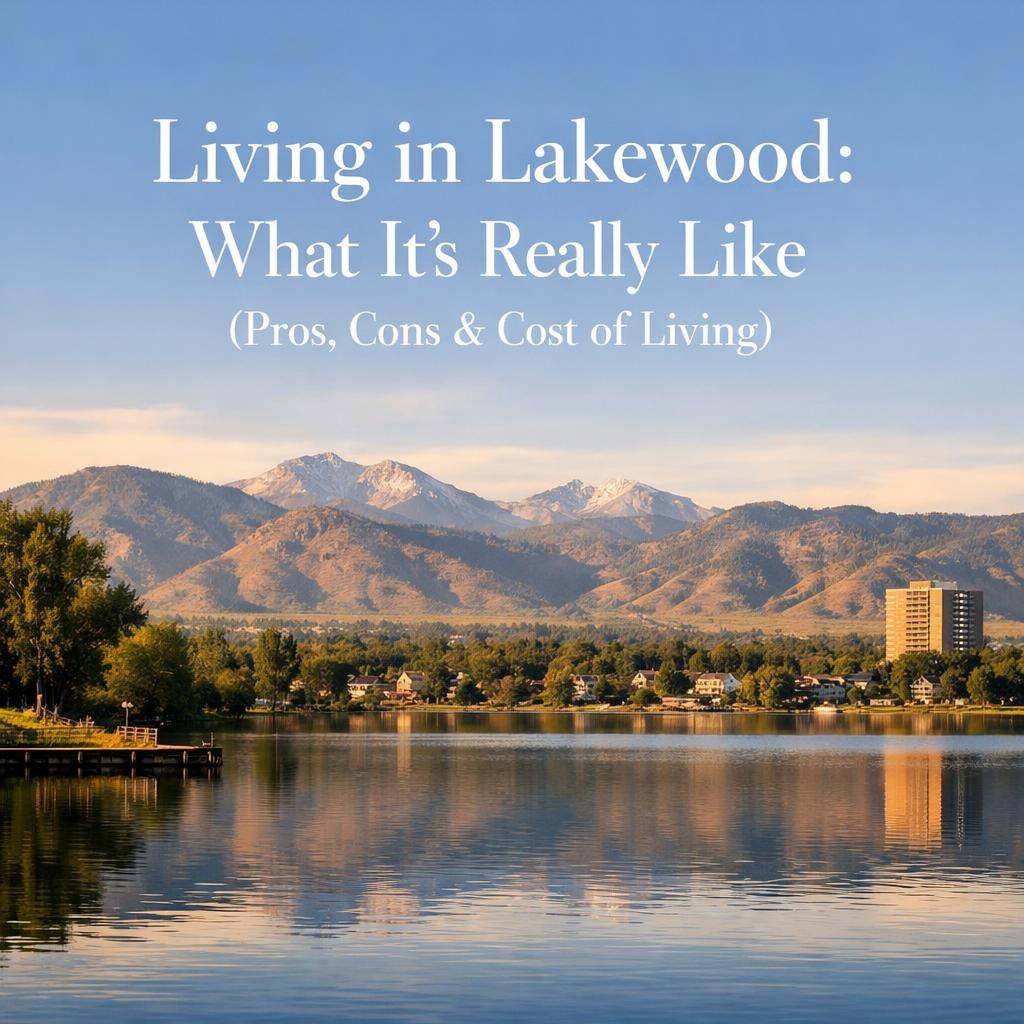
Lakewood, a key suburb west of Denver, draws buyers seeking proximity to the city without urban density. Its position along the I-70 corridor and near the foothills shapes daily life for residents, influencing everything from commutes to property values. This post examines the practical realities of living here, grounded in local market dynamics and ownership considerations.
Lakewood’s Appeal in the Denver Metro Context
Lakewood spans over 45 square miles, blending mid-century ranch homes with newer townhomes and apartments. Developed largely post-World War II, its housing stock reflects Colorado’s suburban expansion, with many properties on larger lots than central Denver offers. This matters because it provides options for families prioritizing yard space amid tightening inventory across the metro area.
The suburb’s master-planned communities, like Green Mountain and Bear Creek, emphasize green spaces and trails, which buffer against Denver’s growth pressures. Buyers relocating from higher-cost states find value here, as median home prices hover below Denver’s but above rural Jefferson County averages. Commute patterns favor Lakewood for those working downtown—20-30 minutes via C-470 or 6th Avenue during off-peak hours—yet snow events can extend that to an hour, underscoring the need for all-wheel-drive vehicles in winter.
Key Pros of Lakewood Living
Access and Connectivity
Lakewood’s infrastructure supports efficient movement. Light Rail’s W Line connects to downtown Denver and the airport, reducing reliance on personal cars for some commuters. This eases the psychology of relocation, as buyers avoid the isolation of farther suburbs like Littleton or Arvada.
Proximity to Red Rocks Amphitheatre and the Colorado Mills outlet mall adds utility without the tourism crowds of mountain towns. For sellers, this connectivity boosts resale appeal, as properties near transit stations command 5-10% premiums in competitive markets.
Educational and Recreational Resources
Top-rated schools in the Jefferson County R-1 district, such as Green Mountain High, attract families. These outperform Denver Public Schools in standardized testing, a factor in buyer decision-making when evaluating long-term property appreciation.
Parks like William F. Hayden Green Mountain Park offer over 2,000 acres of hiking trails directly from neighborhoods. This integration of nature influences home values, as properties backing to open space sell faster and retain equity during market slowdowns.
Economic Stability
Lakewood hosts Saint Anthony Hospital and corporate offices like Lockheed Martin, providing local jobs that shorten commutes. Unemployment here tracks below the state average, stabilizing demand for single-family homes even as remote work shifts preferences toward larger footprints.
Notable Cons and Practical Challenges
Commute Realities in Winter Weather
While highways like C-470 streamline access, heavy snowfalls—common from November to March—disrupt flow. Residents west of Wadsworth Boulevard face plowing delays, extending trips to Denver Tech Center or Boulder. Buyers must factor this into offers, as homes without garages or steep driveways complicate winter maintenance and insurance costs.
Limited New Development
Aging housing stock dominates, with few large-scale builds due to zoning restrictions and foothill topography. This scarcity drives competition for updated properties, pressuring first-time buyers to consider fixers amid rising material costs. Sellers benefit from low supply but risk overpricing if ignoring buyer fatigue with 1960s-era homes needing roof or HVAC updates.
Ownership Costs Beyond the Mortgage
These figures reflect Jefferson County’s realities, where elevation (5,500-6,000 feet) amplifies heating needs and wildfire risks influence carriers’ underwriting. Buyers overlook this at their peril, as total ownership costs can exceed 30% of income for median earners.
Cost of Living Breakdown for Lakewood
Lakewood’s cost of living index sits at 115-120 (U.S. average 100), driven by housing at 45% above national norms. A family of four needs $120,000 household income to live comfortably, per local economic data, compared to $105,000 in Arvada.
Housing dominates: median single-family home prices range $550,000-$650,000, with condos at $350,000-$450,000. Rent for a 3-bedroom home averages $2,800 monthly, up 8% yearly due to Denver spillover. Groceries and gas align with metro averages, but vehicle maintenance rises from salted roads in winter.
For relocating homeowners, this translates to strategic timing. Spring listings (April-May) see higher offers, while winter motivates sellers to price realistically. Long-term, appreciation averages 4-6% annually, tempered by interest rates hovering near 6-7%, making 20% down payments essential to avoid payment shock.
Neighborhood Variations Within Lakewood
Green Mountain and Applewood: Family-Focused Stability
These areas feature ranch-style homes on quarter-acre lots, ideal for buyers valuing schools and low crime. Proximity to Foster Gulch trailhead appeals to active households, supporting premium pricing.
Belmar and Candelas: Urban-Suburban Blend
Belmar’s walkable core with shops and a lake mimics Denver’s LoDo but with parking ease. Candelas offers new builds with mountain views, though HOA rules enforce uniformity. Sellers here leverage lifestyle adjacency for quicker closings.
North Lakewood: Value Opportunities
Near Federal Boulevard, older bungalows provide entry points under $500,000. Commercial corridors bring noise trade-offs, but redevelopment potential suits investors eyeing flips amid suburban revitalization.
Market Trends Shaping Lakewood Decisions
Colorado’s metro suburbs like Lakewood see steady demand from out-of-state relocators, with inventory at 2-3 months’ supply. Prices stabilized in late 2025, down slightly from peaks, giving buyers negotiation leverage. Remote work sustains interest in homes with office nooks, while eco-upgrades like EV chargers gain traction.
Buyers should assess flood zones along Bear Creek, as drainage issues surface in monsoons. Sellers preparing listings benefit from staging to highlight views, countering the flat roof prevalence that dims interiors.
Long-Term Value and Resale Considerations
Lakewood’s position ensures enduring appeal: 15 minutes to downtown, foothills access without mountain isolation. Equity builds reliably for owners holding 7+ years, as infrastructure investments like RTD expansions enhance connectivity.
Challenges like wildfire insurance scrutiny demand proactive steps—clearing pine needles annually preserves insurability. Thoughtful buyers weigh these against Denver’s density or Aurora’s affordability, often finding Lakewood’s balance optimal.
In Lakewood, real estate decisions hinge on aligning personal needs with suburban specifics: commute tolerance, maintenance willingness, and budget for elevated costs. Understanding these dynamics equips buyers and sellers to navigate confidently.
Ready to explore Lakewood properties? Contact a local real estate advisor today for personalized market insights and viewing tours.



First-Time Homebuyer Guide to Aurora
This guide is part of our complete Aurora Real Estate Guide → [Aurora Real Estate Guide] Step-by-Step First-Time Homebuyer Guide to Aurora Aurora provides first-time buyers with a practical entry into Denver metro homeownership, featuring median prices around $480,000-$520,000 and diverse neighborhoods spanning four counties. This step-by-step guide walks serious buyers through the process, addressing local…


Buying a Home in Aurora: Step-by-Step Guide
This guide is part of our complete Aurora Real Estate Guide → [Aurora Real Estate Guide] Buying a Home in Aurora: Step-by-Step Guide Aurora anchors the eastern edge of the Denver metro, offering diverse housing stock from mid-century ranches to newer townhomes amid steady demand from military families, professionals, and commuters. Its real estate market balances…

How Much House You Can Afford in Aurora
This guide is part of our complete Aurora Real Estate Guide → [Aurora Real Estate Guide] How Much House You Can Afford in Aurora Aurora’s real estate market, as a key suburb in the Denver metro, demands precise affordability calculations for buyers facing steady price growth and ownership realities like long commutes and seasonal maintenance. Serious…
 Mile High Home Group - Welcome to Denver
Leave a comment