


This guide is part of our Arvada Real Estate Guide→ [Arvada Real Estate Guide]
Arvada homeowners face predictable yet substantial ownership costs shaped by Colorado’s unique tax structure, local mill levies, and Denver metro realities like variable weather and commute demands. These expenses extend beyond the mortgage to include taxes, insurance, maintenance, utilities, and potential HOA fees, influencing long-term affordability and resale value. Understanding them allows buyers and sellers to make informed decisions grounded in local market dynamics.
How Property Taxes Work in Arvada
Property taxes in Arvada fund essential services including schools, county operations, and city infrastructure, directly impacting household budgets in this Jefferson County suburb. The system relies on assessed value—a fraction of the home’s actual market value—multiplied by combined mill levies from overlapping taxing entities.
Colorado residential properties use a low assessment rate, typically around 6.7-7.15% of actual value for 2025 valuations, far below the 29% for commercial properties. This keeps taxes competitive nationally, with Arvada’s median effective rate at 0.68% of home value, higher than the state median of 0.55% but below the U.S. 1.02%.
For a median Arvada home valued at $585,000, the assessed value might land around $39,000-$42,000, depending on the exact rate set biennially. Total mill levies—combining Jefferson County’s 23.332 mills, school districts at about 47 mills, Arvada city’s stable 4.31 mills, and others—often total 90-100 mills, yielding an annual tax bill near $3,000-$3,500.
This structure matters because mill levies vary by neighborhood based on school district and special districts, affecting costs even within Arvada’s zip codes like 80004 or 80007. Sellers should review recent tax bills during listings, as discrepancies can deter buyers sensitive to total carrying costs.
Breaking Down Arvada Tax Rates by Location
Arvada spans Jefferson and Adams counties, creating nuanced tax variations tied to local services and housing stock. In Jefferson County portions (most of Arvada), the median tax bill hits $3,390 for a $585,000 home, with effective rates clustering 0.57-0.62% across zips like 80002-80005.
Adams County sections show a 0.64% median effective rate on $520,000 homes, producing about $3,208 annually—still reasonable but $808 above the national median bill. Zip-specific medians range from $2,852 in 80003 to $7,003 in pricier 80007, reflecting higher values and levies.
These differences arise from school district boundaries and urban drainage fees, common in Colorado suburbs prone to snowmelt runoff. Buyers commuting to Denver via I-76 or Ward Road prioritize lower-tax areas, while families weigh school funding premiums.
Neighborhoods near Olde Town Arvada often carry steady city mills unchanged since 1993 at 4.31, contributing just $175 yearly on a typical assessed value of $40,000. This stability aids budgeting amid rising home prices, up 1.3% to $600,000 median sales.
Exemptions and Relief Options for Arvada Owners
Jefferson County offers targeted exemptions that reduce assessed values, directly lowering bills for qualifying residents. The senior exemption—available to those 65+ owning and occupying the home for 10 years—exempts 50% of the first $200,000 actual value, potentially saving $500-$1,000 annually.
Applications due by July 15 use short or long forms for trusts or surviving spouses, with exceptions for nursing home stays or eminent domain. Homestead exemptions further cap increases, protecting long-term owners from reassessment spikes during market booms.
Appeals through June 9 provide another avenue; Jefferson County’s assessor portal at propertysearch.jeffco.us allows value protests if comparables suggest overvaluation. These tools matter for retirees or fixed-income sellers, preserving equity in Arvada’s stable but appreciating market.
Homeowners Insurance in the Denver Metro Context
Insurance averages $2,854 yearly in Arvada for $300,000 dwelling coverage, 23% above Colorado’s $2,322 due to wildfire risks and winter freeze-thaw cycles stressing foundations. Rates scale with value: $3,342 for $500,000 coverage, plus deductibles influenced by proximity to highways like C-470.
Denver metro buyers factor this into offers, as policies exclude flood or earthquake unless added—relevant for Ralston Creek areas. Shopping carriers yields 10-20% savings, especially bundling with auto amid rising premiums from climate-driven claims.
Ownership costs rise without claims history; a clean record keeps premiums under 1% of home value, aligning with Arvada’s lower-risk profile versus mountain towns. Sellers disclose prior claims to avoid post-close disputes.
Maintenance and Utility Expenses Specific to Arvada
Colorado homeowners average $25,766 yearly on “hidden” costs like maintenance ($8,800), exceeding the national $21,400 due to high-altitude wear on roofs and HVAC from dry air and temperature swings. For a $600,000 Arvada home, budget 1-2% ($6,000-$12,000) annually for HVAC servicing ($70-300), gutters ($200-750), and furnace cleaning.
Utilities run $180-320 monthly: electricity $80-150 (higher in summer AC use), natural gas $30-80 (peaking winter), water $30-60, trash $20-30. Snow removal adds $500-1,000 yearly, uninsurable and tied to Arvada’s 60+ inch average snowfall.
Commutes amplify costs; Arvada-to-Denver drives (20-40 minutes via I-70) burn $200-400 monthly in gas for hybrids, pushing buyers toward homes near light rail or park-and-rides for equity preservation. Proactive maintenance sustains values, as neglected homes sell 5-10% below peers.
The Role of HOAs in Arvada Subdivisions
About 30% of Arvada single-family homes carry HOA fees averaging $200-400 monthly, covering landscaping, snow plowing, and exteriors in newer developments like West Woods. Low fees signal risks like deferred roofs; well-funded ones justify costs by avoiding special assessments.
These fees add 5-10% to monthly ownership, varying by amenities—pools or gates push higher. Buyers review reserves during inspections; strong HOAs enhance resale in family-oriented neighborhoods near Standley Lake.
Total Ownership Cost Projections for Arvada Homes
This breakdown for a typical $600K home exceeds mortgage principal/interest alone, totaling $4,000+ monthly PITI with taxes/insurance. Relocators from lower-cost states adjust for Colorado’s 20% premium on upkeep, prioritizing reserves.
Trends show stability: Arvada prices rose modestly 1.3% yearly, with taxes tracking value growth under caps. Remote-hybrid shifts ease commute burdens, but inflation lifts utilities 5-7% annually.
Why These Costs Shape Arvada Market Decisions
Buyers weigh total costs against Arvada’s advantages—proximity to Denver jobs, quality schools, and suburban inventory versus core-city density. Sellers price competitively by highlighting low effective taxes and stable levies, appealing to value-focused relocators.
Long-term, ownership builds equity amid 53-day market times, but underestimating maintenance erodes it. Thoughtful budgeting sustains wealth in this balanced suburb.
Arvada’s ownership landscape rewards preparation, with taxes and costs predictable when dissected locally. Homeowners who master exemptions, shop insurance, and maintain diligently secure financial footing amid Denver metro pressures.
For personalized analysis of your Arvada property taxes, exemptions, or full ownership cost breakdown, reach out directly—contact me today to discuss your situation and next steps.



How Lot Size, Zoning, and Layout Impact Investment Flexibility
This guide is part of our Arvada Real Estate Guide→ [Arvada Real Estate Guide] How Lot Size, Zoning, and Layout Impact Investment Flexibility in Colorado Real Estate For most Colorado homeowners and investors, decisions about property value focus on location, price per square foot, or finishes. Yet some of the most enduring factors shaping long-term value—and…


Appreciation-First vs Cash-Flow-First Investing in Arvada
This guide is part of our Arvada Real Estate Guide→ [Arvada Real Estate Guide] Appreciation-First vs Cash-Flow-First Investing in Arvada Arvada’s position in the Denver metro area makes it a focal point for real estate investors weighing long-term value growth against immediate income generation. Appreciation-first strategies prioritize properties expected to rise in value due to location,…
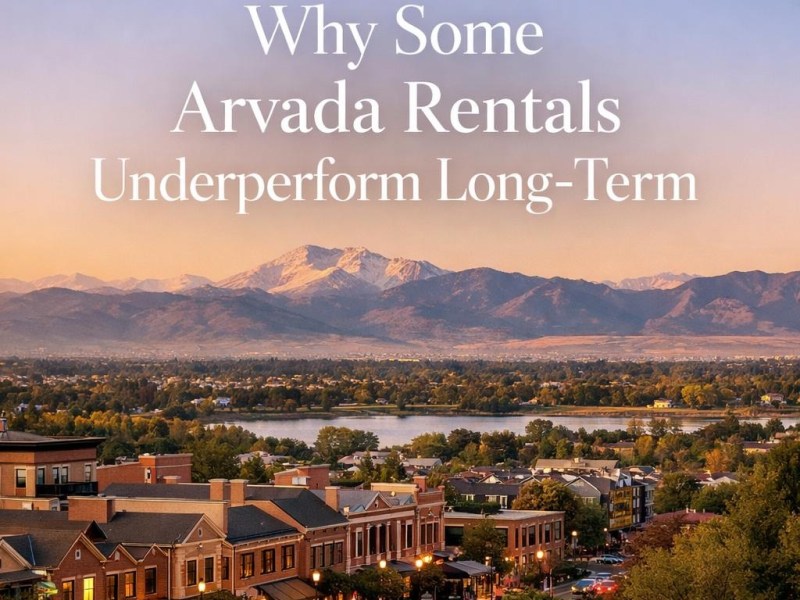
Why Some Arvada Rentals Underperform Long-Term
This guide is part of our Arvada Real Estate Guide→ [Arvada Real Estate Guide] Why Some Arvada Rentals Underperform Long-Term Arvada’s rental market sits at a crossroads in the Denver metro area, where steady demand meets unique local pressures that erode long-term returns for some properties. Owners of underperforming rentals often face persistent vacancies, escalating maintenance…
 Mile High Home Group - Welcome to Denver
Leave a comment