

To get more information on Arvada→ [Arvada] & To get more information on Lakewood→ [Lakewood]
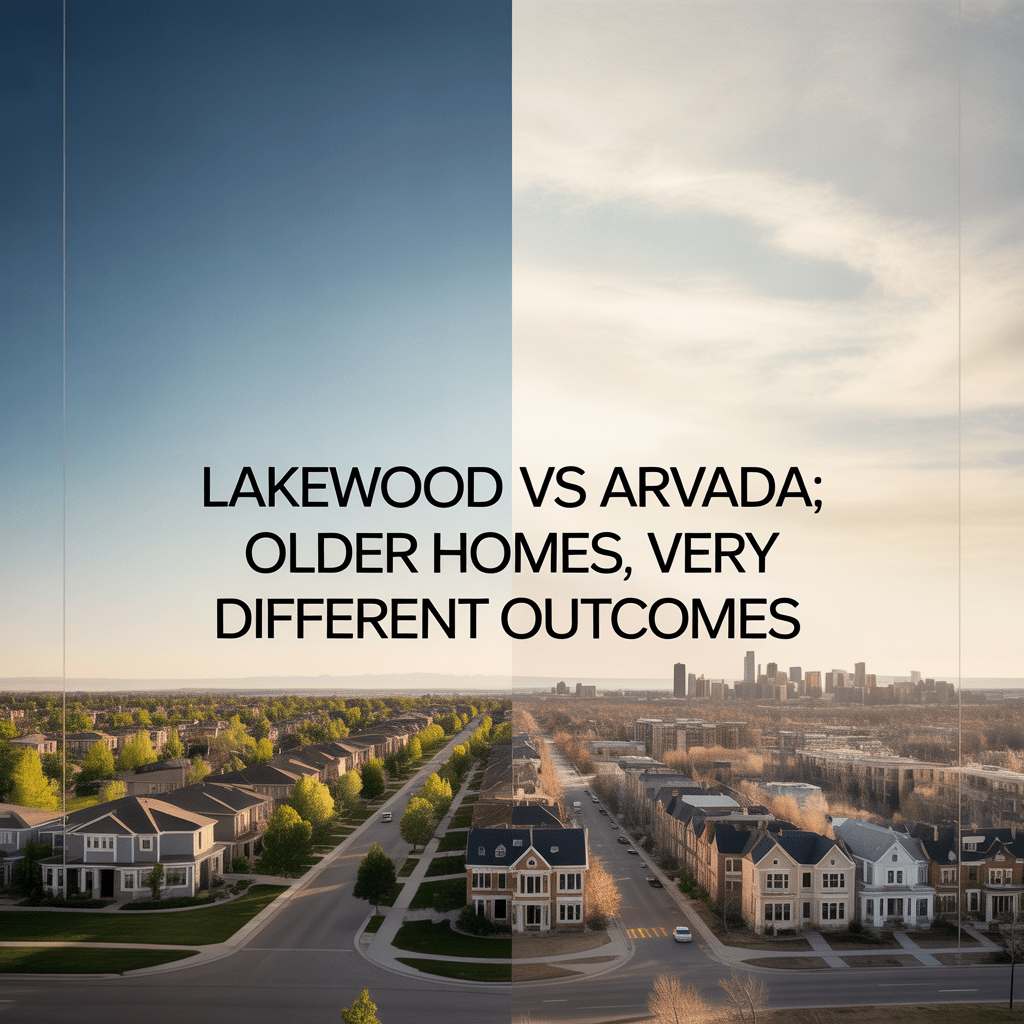
Colorado’s Denver metro suburbs offer distinct paths for buyers and sellers navigating older homes. Lakewood and Arvada, both rich in mid-century housing stock, diverge sharply in appreciation potential, ownership realities, and buyer appeal. These differences stem from neighborhood evolution, commute dynamics, and maintenance demands tied to local conditions, shaping long-term value in tangible ways.
Housing Stock in Lakewood and Arvada
Lakewood’s older homes, predominantly built from the 1950s to 1970s, dominate its inventory, with many mid-century ranches and bungalows on smaller lots near commercial corridors. This stock appeals to entry-level buyers but often requires substantial updates to electrical systems, plumbing, and insulation to comply with current codes amid Colorado’s temperature swings. Sellers face pressure from denser infill development, where townhomes compete directly, flattening price growth over time.
Arvada contrasts with a broader mix, including well-preserved 1950s-1980s ranches alongside historic bungalows in areas like Olde Town. Larger quarter-acre lots and mature trees buffer against urban encroachment, fostering stable demand from families prioritizing space. These homes hold character without the pervasive disrepair seen in some Lakewood pockets, as thoughtful renovations preserve appeal while adding modern efficiency.
The distinction matters because Arvada’s established neighborhoods resist teardown trends better, maintaining collective values through zoning that limits density. Lakewood’s proximity to retail hubs like Belmar accelerates turnover but dilutes equity for long-term holders.
Commute Patterns Shape Daily Ownership
Commutes from Lakewood to downtown Denver average 28 minutes, hampered by 6th Avenue congestion and arterials prone to delays during peak hours or winter snowfalls. This extended travel elevates fuel costs and fatigue for buyers in tech or healthcare roles, indirectly pressuring resale as remote work wanes. Insurance rates climb here due to higher accident volumes on busy routes, adding 10-15% to annual premiums compared to quieter paths.
Arvada buyers reach the core in 20-25 minutes via I-76, Ward Road, or US-36, with multiple entry points easing snow-related backups when plowing prioritizes interstates. Flat terrain reduces winter driving hazards, aligning with buyer behavior that favors predictability for dual-income households. These efficiencies compound over ownership, lowering total costs and boosting retention rates, which correlate with steadier appreciation.
Buyers weigh this heavily: Reliable access enhances work-life balance, making Arvada properties easier to market to relocating professionals from high-cost states.
Renovation Costs and Hidden Expenses
Older homes in Lakewood demand $150-300 per square foot for whole-house updates, driven by outdated infrastructure like asbestos-laden drywall and inadequate foundations on clay soils. A typical 1,800-square-foot ranch might require $275,000, yielding 35% energy savings but tying up capital amid rising material costs. Permit delays of 6-12 weeks exacerbate carrying expenses, critical for sellers staging flips in a balanced market.
Arvada renovations focus on value-adding tweaks, such as kitchens and energy-efficient windows, often costing less due to stronger initial bones and municipal utilities that cut baseline bills. Historic districts here emphasize preserving Craftsman details, which buyers reward with premiums, unlike Lakewood’s generic updates that blend into surrounding stock. Property taxes remain predictable at 0.6% of assessed value, avoiding Lakewood’s frequent hikes from nearby commercial growth.
These costs explain divergent outcomes: Arvada owners recoup investments faster through demand for character homes, while Lakewood’s higher upfront barriers deter all but budget-conscious renovators.
Market Performance and Appreciation Trends
Lakewood medians hover around $555,000-$647,000, down 2-2.6% yearly amid softening demand and longer days on market. Older homes here appreciate modestly, pressured by abundant supply and first-time buyers who negotiate on visible wear. In cooling phases, inventory buildup extends selling times to 33+ days, eroding seller leverage.
Arvada counters with $600,000-$619,000 medians, up 1.3% despite market shifts, thanks to 97% sale-to-list ratios and quicker closes around 53 days. Historic areas like Olde Town sustain values through community amenities and schools drawing stable families, outperforming Lakewood’s 4-5% dips. Steady 4-6% annual growth over a decade reflects scarcity of single-family lots.
Trends underscore why Arvada yields better outcomes: Selective buyer pools—families over investors—minimize contingencies, protecting equity during holds of 7-10 years.
Buyer Behavior in Each Suburb
Lakewood attracts price-sensitive newcomers, leading to higher default risks in downturns as budgets stretch thin. Renovators target no-HOA neighborhoods for flexibility, but rapid turnover disrupts stability.
Arvada draws deliberate upgraders valuing quiet streets, mature landscaping, and proximity to trails like Apex Park. No-HOA options in areas like Club Crest or Lamar Heights appeal to those seeking community without fees, fostering loyalty.
Ownership Costs Beyond the Mortgage
Annual extras in Colorado average high, but Lakewood amplifies them with multi-story designs spiking heating bills and congestion-driven insurance. Arvada’s single-story prevalence and efficient layouts trim utilities to $250 monthly, preserving net returns.
Weather plays a role: Freeze-thaw cycles stress all older roofs, yet Arvada’s lower wildfire adjacency keeps premiums down. Lakewood’s commercial adjacency invites reassessments, inflating taxes unpredictably.
Seller Strategies for Maximum Value
In Lakewood, price realistically to counter competition, highlighting updates that address code compliance. Stage for functionality to appeal to flippers.
Arvada sellers emphasize preserved character, commute ease, and school access; realistic pricing closes deals swiftly even in balanced markets.
Long-term, Arvada’s zoning shields against density, sustaining premiums.
Why Outcomes Differ for Older Homes
Lakewood suits short holds or rentals, where affordability drives volume but caps growth. Arvada excels for equity-building, blending accessibility, lower costs, and enduring demand. Buyers and sellers thrive by matching goals to these realities—proximity versus stability, entry cost versus retention.
Reach out to me today for personalized insights on Lakewood or Arvada properties, including current listings and value projections tailored to your situation.



The Hidden Cost of Hail, Insurance, and Roof Age in Colorado
To get more information on Denver → [Denver] & Overall Market Info → [Market Insights] Colorado homeowners understand that owning property here comes with unique considerations—from snow load in the mountains to rapid freeze-thaw cycles on the Front Range. Yet one of the least understood and often most expensive aspects of homeownership in this state is…


Why Some Denver Homes Sit Even When They’re Priced Right
To get more information on Denver → [Denver] & Overall Market Info → [Market Insights] When a home lingers on the market in the Denver metro area, even after being clearly priced in line with recent comparable sales, it raises a question every serious seller and agent has asked: Why isn’t it moving? In a region where…

The Renovation Upgrades That Don’t Pay Off in Colorado Homes
To get more information on Denver → [Denver] & Overall Market Info → [Market Insights] Home renovation decisions often come from good intentions: improving function, modernizing a space, or preparing to sell for top dollar. But in Colorado, not all home improvements yield meaningful returns — especially in a market influenced by weather extremes, commuting patterns,…
 Mile High Home Group - Welcome to Denver
Leave a comment