

To get more information on Arvada→ [Arvada] & To get more information on Lakewood→ [Lakewood]
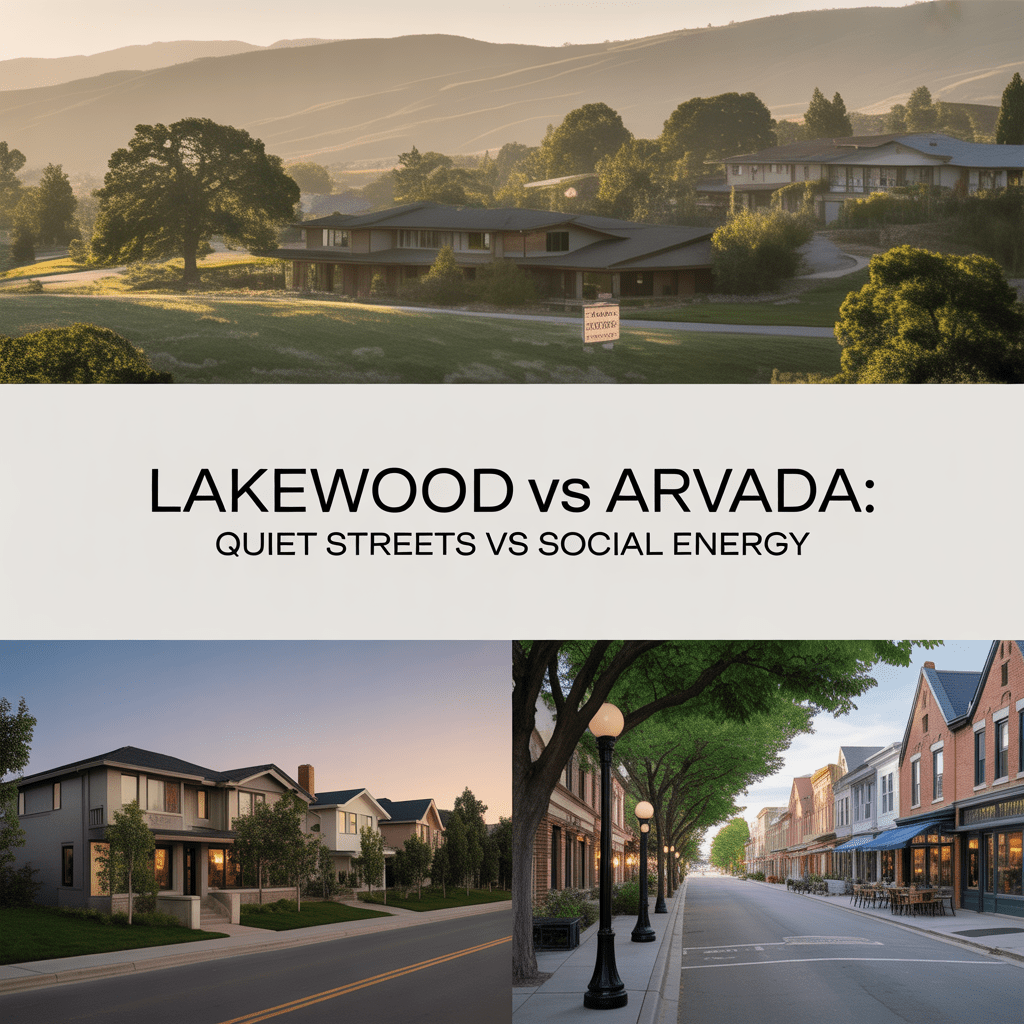
Buyers and sellers in the Denver metro area often weigh Lakewood and Arvada when seeking suburban homes with city access. These neighboring Jefferson County cities offer distinct atmospheres—Lakewood’s established quiet residential streets appeal to those prioritizing privacy, while Arvada’s vibrant community hubs draw buyers wanting social connections. Understanding these differences helps align property choices with long-term ownership goals, from daily commutes to neighborhood dynamics.
Lakewood’s Appeal: Established Quiet Neighborhoods
Lakewood spans over 60 square miles west of Denver, blending mature housing stock with foothill proximity. Its neighborhoods like Two Creeks, Thraemoor, and Bear Creek feature tree-lined streets and ranch-style homes built mostly from the 1950s to 1970s, providing larger lots that foster seclusion.
Quiet streets matter because they reduce noise from traffic and neighbors, supporting focused work-from-home setups or family routines amid Colorado’s variable weather, where winter snow and spring winds make indoor comfort essential. Residents note easy access to parks like Bear Creek Lake without the bustle, allowing walks or biking to Sloan’s Lake while avoiding urban density.
This setup influences buyer behavior: professionals relocating from noisier cities value the buffer from C-470 highway sounds, yet stay within 10-20 minutes of downtown Denver. Sellers benefit from steady demand for updated mid-century homes, which hold value through renovations that enhance energy efficiency against high heating costs.
Key Lakewood Neighborhoods for Privacy Seekers
- Two Creeks: Bike trails connect to downtown, but low traffic keeps it serene; ideal for remote workers.
- Thraemoor: Spacious mid-century homes on calm blocks near highways, minimizing commute stress.
- Green Mountain: Foothill views with mature trees; ownership costs stay reasonable due to older builds.
Arvada’s Draw: Vibrant Community Hubs and Events
Arvada contrasts with a mix of historic charm and new developments, centered around Olde Town—a walkable district with shops, patios, and year-round festivals like Winterfest and Arvada Days. This social energy stems from community spaces that encourage interaction, from farmers markets to live music.
Social hubs matter for retention: buyers who thrive on local events build networks that ease transitions, particularly families or retirees facing Colorado’s isolation during heavy snowfalls. Neighborhoods like Candelas and Leyden Rock add modern amenities—pools, trails, fitness centers—fostering gatherings that boost property desirability.
Commute patterns favor Arvada for Boulder or north Denver workers via US-36, though I-70 backups add 10-15 minutes during peaks. This energy attracts diverse demographics, from young professionals to empty-nesters, driving quicker sales in amenity-rich areas.
Standout Arvada Areas for Connected Living
- Olde Town: Historic core with events; homes sell fast due to walkability.
- Candelas: Newer builds with community centers; appeals to families prioritizing recreation.
- Village of Five Parks: Parks and plazas create daily social opportunities.
Housing Markets Compared: Prices, Inventory, and Sales Pace
Lakewood’s median sale price hit $575,000 in November 2025, down 5.7% year-over-year, with homes selling in 31 days amid 2 offers on average. Arvada’s median reached $600,000, up 1.3%, but with longer 53-day market times and fewer offers, signaling selective buyer interest.
These trends reflect stock differences: Lakewood’s older inventory (median value around $633,000) draws value hunters priced out of Denver, with 9.1% appreciation in recent quarters. Arvada’s variety—from $605,000 medians to $810,000 in west zips—supports steady growth via new builds.
For sellers, Lakewood’s faster pace means less carrying costs like utilities (6% city tax on gas/electric), while Arvada buyers negotiate more due to options. Buyers assess total ownership: both face Jeffco’s mill levy taxes, but Arvada’s newer homes cut long-term maintenance.
Schools and Safety: Family Decision Drivers
Both fall under Jeffco Public Schools, with strong options influencing 30-40% of buyer choices. Lakewood High ranks highly (A on Niche, top in county), alongside Bear Creek High; Arvada West earns B+ with robust music/theater programs.
Safety varies: Lakewood’s overall crime exceeds national averages, though improving neighborhoods mitigate risks for thoughtful buyers. Arvada reports lower rates, enhancing appeal in family zones like west Arvada.
These factors shape psychology—parents prioritize schools for resale value, while safety affects insurance premiums amid Colorado’s weather extremes. Commutes to top-rated schools via RTD light rail add flexibility without car dependency.
Commutes, Costs, and Weather Realities
Proximity to Denver (10-20 minutes from both) suits hybrid workers, but Arvada edges for north commutes, Lakewood for south via C-470. Winter plowing prioritizes arterials, so quiet Lakewood streets may delay access, emphasizing all-wheel-drive needs.
Ownership costs align: property taxes via Jeffco (around 0.8-1% effective rate), plus utilities taxed at 6% in Lakewood; Arvada bills bimonthly for water/sewer. Energy-efficient updates counter high gas bills during sub-zero snaps.
Buyers relocating consider these for psychology—quiet suits introverts avoiding social fatigue, energy fits extroverts building ties. Long-term, both offer appreciation from Denver’s growth, but matching lifestyle prevents regret.
Which Fits Your Ownership Vision?
Lakewood suits buyers valuing quiet streets for recharge and value in established homes, ideal if privacy trumps events. Arvada fits those seeking social energy through Olde Town and amenities, supporting networks that enhance suburban life.
Denver metro shifts favor suburbs like these for balanced access amid rising central costs. Thoughtful decisions here build equity over decades.
Reach out to me today for personalized insights on Lakewood or Arvada properties tailored to your needs.


Why Littleton Feels More Stable Than Highlands Ranch — and Why That Matters Long-Term
To get more information on Denver → [Littleton] & Overall Market Info → [Market Insights] Colorado’s south metro suburbs offer distinct paths for long-term homeownership stability. Littleton stands out for its established housing patterns and market resilience, contrasting with Highlands Ranch’s more recent planned development. Understanding these differences helps buyers and sellers prioritize enduring value over…


What Buyers Get Wrong About Living Near Downtown Littleton
To get more information on Denver → [Littleton] & Overall Market Info → [Market Insights] Buyers drawn to the historic charm and walkability of Downtown Littleton often overlook practical realities that shape daily life and long-term ownership. This area, centered around Main Street in the heart of Littleton, Colorado, blends preserved early-20th-century architecture with modern retail…
Why Two Littleton Homes With the Same Price Can Feel $200k Apart in Real Life
To get more information on Denver → [Littleton] & Overall Market Info → [Market Insights] In markets like Littleton and across the Denver metro area, it’s common for buyers to tour two similarly priced homes—say, both listed around $850,000—and walk away wondering how one feels like a luxury move-up property while the other struggles to justify…
 Mile High Home Group - Welcome to Denver
Leave a comment